Girl in a Cap, Messy Bun, Mom Life – A Designer’s Honest Review
First Impressions: Whimsical, Relatable, and Ready for Real Projects
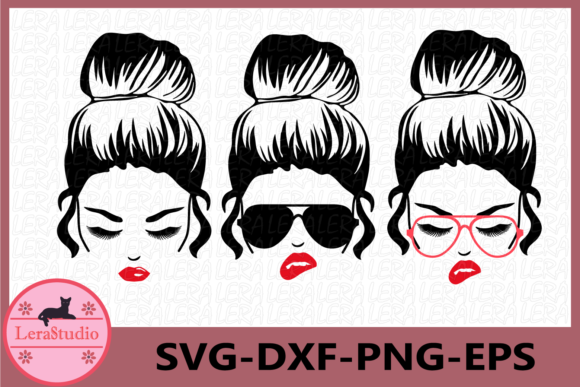
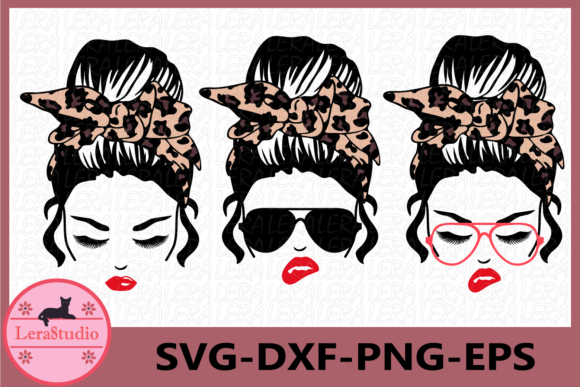
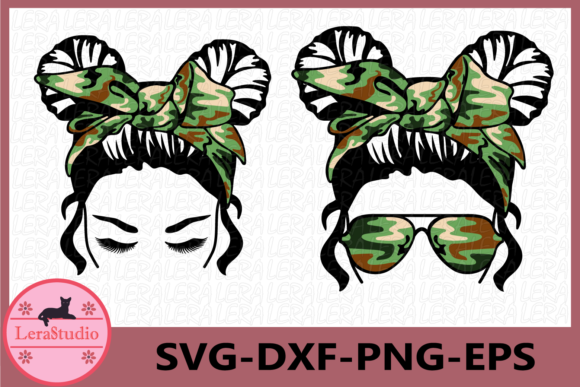
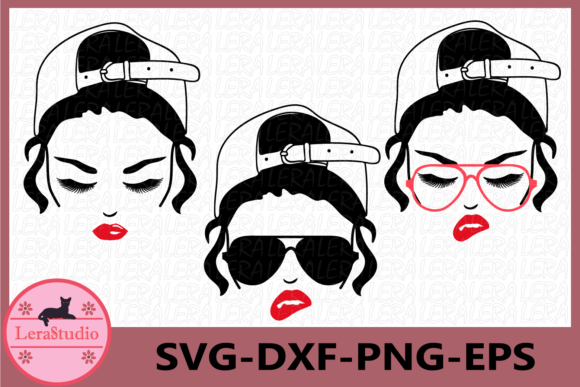
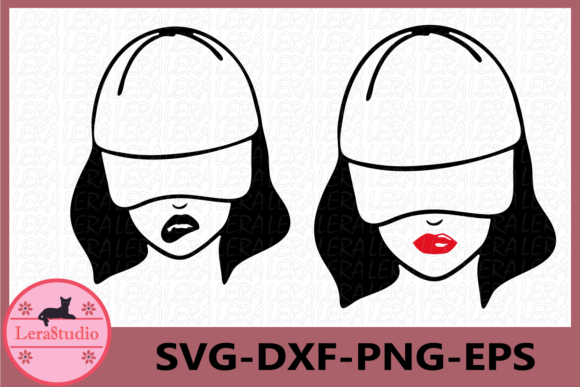
Opening up the Girl in a Cap, Messy Bun, Mom Life design files, the first thing that stands out is the charming, slightly humorous personality packed into a simple illustration. It’s not just a clipart; it's a mood. The character feels familiar — like the kind of mom who’s juggling coffee, kids, and a to-do list a mile long, all while managing a messy bun and a cap to hide the chaos. That kind of visual storytelling makes this design a strong contender for embroidered products aimed at moms, new parents, or anyone who appreciates a bit of humor with their handmade goods.
The layout is clean and centered, with enough detail to be expressive without becoming overly complex. It’s a great balance for embroidery — not too many tiny lines or intricate shading that could get lost in stitching. The silhouette and facial features are clearly defined, which is a big plus when translating vector graphics into machine embroidery designs.
Real-World Use: From Tote Bags to Baby Clothes
I decided to test the Girl in a Cap, Messy Bun, Mom Life design on a few different real-life embroidery projects to see how it holds up. My first test was on a cotton tote bag — a popular item for Etsy sellers and craft fair vendors. The design scaled well without losing clarity, and the facial features stitched cleanly even at a slightly reduced size. The cap and bun details held up nicely with a combination of satin and fill stitches, giving it a polished look without looking too stiff.
Next, I tried it on a baby onesie. The softness of the fabric required a light stabilizer, but the design adapted well. The simplicity of the illustration made it perfect for baby items — not too busy, but still expressive enough to catch a smile from parents and onlookers. It would also work well as a patch, especially if you're creating themed bundles for new moms or baby showers.
For a more commercial application, I placed it on a mockup of a sweatshirt for a boutique clothing line. The design scaled up nicely without distortion, and the overall composition looked professional and wearable. It felt more like a lifestyle brand graphic than a generic embroidery motif, which is a big win for small shop owners looking to build a cohesive visual identity.
Where to Use It — and Where to Be Careful
Here’s where the Girl in a Cap, Messy Bun, Mom Life design really shines: personalized gifts, boutique apparel, baby items, and holiday-themed merchandise. It’s a strong contender for embroidered tea towels, pillow covers, and aprons — especially those marketed toward moms or home décor with a touch of personality.
That said, there are a few considerations to keep in mind. On dark fabric, some of the finer facial details may get lost unless you adjust the thread colors or add a light underlay. The same goes for textured or stretchy fabrics — especially when embroidering on caps or curved surfaces. The shape of the head and cap requires a bit of hoop space, so if you’re working with a small hoop, you may need to simplify or resize carefully.
I also noticed that on ultra-thin fabric like linen or gauze, the stitch density around the face and cap brim could cause puckering if you don’t use the right stabilizer. And if you're planning to sell embroidered items on Etsy or at craft fairs, make sure the design works across multiple mockups — test it in black and white, on light and dark backgrounds, and in different product contexts before listing.
Visual Appeal and Design Value
One of the biggest strengths of this design is its visual clarity. Even in a small size, the character remains recognizable and charming. This is especially important for embroidered patches or personalized gifts where clarity is key. It’s not just cute — it’s functional in terms of design language.
From a branding perspective, the Girl in a Cap, Messy Bun, Mom Life design has the potential to become a recognizable asset for small businesses. Whether used as a logo element, a featured design on a product listing, or part of a larger themed collection, it helps build a consistent and relatable brand image. For Etsy sellers, that kind of visual consistency can boost buyer engagement and trust.
As a designer, I also appreciate how versatile the illustration is. It could easily be paired with text, other clipart, or even adapted into a digital product bundle — think printable mockups, SVG files for Cricut or Silhouette machines, or layered designs for multi-use embroidery projects.
Practical Notes for Embroidery Designers
- Test on scrap fabric first — especially if you're working with stretchy or textured materials.
- Check thread color contrast — subtle facial features may need a color boost on dark backgrounds.
- Review stitch density — avoid puckering by adjusting settings for thin or stretchy fabrics.
- Confirm hoop size — the cap and bun extend the overall height, so make sure your hoop can accommodate it.
- Inspect small details — the eyes and mouth are delicate and may require a closer look under magnification.
- Test in black and white mockups — to see how it performs without color influence.
- Compare light and dark fabric backgrounds — to ensure versatility across product types.
- Use proper stabilizer — especially on curved surfaces or stretchy materials.
- Check licensing — before selling finished items or digital embroidery files.
Final Thoughts: A Strong, Versatile Design for Real Use
After putting the Girl in a Cap, Messy Bun, Mom Life design through a variety of real-world embroidery tests, I can confidently say it’s a solid choice for designers, crafters, and small business owners. It’s expressive without being overwhelming, simple without being boring, and adaptable enough to work across a wide range of products.
Whether you're creating personalized gifts, boutique apparel, or digital design assets, this illustration brings a touch of personality and practicality to your embroidery projects. Just remember to test it thoroughly, adjust for fabric type, and consider how it fits into your brand’s visual story before launching it into your product lineup.