PRACTICE SOCIAL DISTANCING: A Designer’s Honest Review
First Impressions: A Timely Design with a Playful Edge
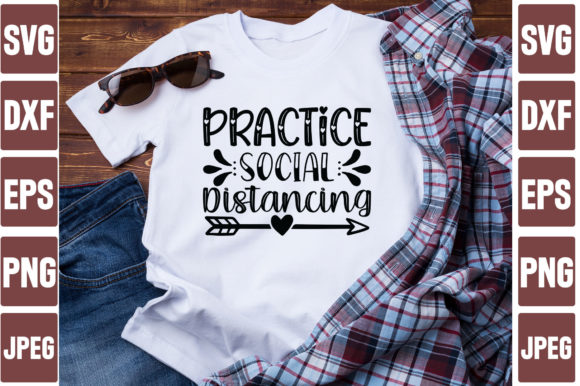
When I first opened the PRACTICE SOCIAL DISTANCING design file, I was struck by how relevant and lighthearted it felt. It’s not just a message; it’s a mood. The layout is clean, with a modern font that leans into a casual, almost cheeky tone—perfect for t-shirts, tote bags, or even a boutique sweatshirt line. The visual personality is friendly without being too on-the-nose, which makes it versatile for both personal and small business use.
The design’s theme centers around the phrase “PRACTICE SOCIAL DISTANCING,” which, while rooted in a very real cultural moment, has evolved into a lifestyle statement. It works well for Etsy sellers or craft entrepreneurs looking to tap into nostalgia or humor in their handmade products.
Real-World Use: How Does It Hold Up?
I decided to test PRACTICE SOCIAL DISTANCING on a few different materials—starting with a standard cotton tote bag, then moving to a heavier sweatshirt fabric, and finally a stretchy cotton-blend t-shirt. Each surface brought out different aspects of the design.
- Cotton tote: The design stitched cleanly with minimal distortion. The satin and fill stitches held up well, even when pulled across the seams.
- Sweatshirt fleece: A bit more stabilizer was needed to prevent puckering, but overall, the result looked professional and wearable.
- Stretchy t-shirt material: Here’s where the design needed extra attention. I added a light tear-away stabilizer and adjusted the stitch density slightly to prevent the letters from spreading.
One of the standout features of this design is its adaptability. Whether used for personalized gifts, small shop products, or custom apparel, it maintains a crisp, readable format that doesn’t get lost in translation across different embroidery formats.
Where to Use It (and Where to Be Careful)
PRACTICE SOCIAL DISTANCING shines brightest on flat, stable surfaces like tote bags, pillow covers, and t-shirts. It’s also a solid choice for holiday gifts, nursery decor, or even boutique merchandise like embroidered tea towels. The design’s simplicity makes it easy to scale and adjust for different hoop sizes.
However, caution is needed in the following scenarios:
- Curved surfaces like caps or mugs—distortion can affect the lettering clarity.
- Dark fabrics—the color contrast in the original PNG file suggests it’s optimized for light backgrounds. You may need to tweak thread colors for visibility.
- Thin or stretchy materials—extra stabilizer and careful tension adjustments are key.
- Layered garments—like hoodies or double-layered aprons—watch for stitch pull and fabric bunching.
Stitching Clarity and Design Performance
From a technical standpoint, this design holds up well under close inspection. The satin stitch outlines are consistent, and the fill stitch areas are dense enough to look solid without being overly heavy. There’s a good balance between detail and simplicity, which makes it ideal for both machine embroidery beginners and more experienced crafters.
What really stood out was how the design translated into a finished product. On a tote bag, it looked like a boutique-quality piece. On a baby onesie, it read more as a playful statement than a serious message—perfect for parents who appreciate a bit of humor.
One thing to keep in mind: if you're using this for digital product previews or printable mockups, make sure to test it in both color and black-and-white versions. The design’s visual appeal changes significantly depending on the background and fabric texture.
Practical Designer Notes Before You Stitch
Here are some practical tips I picked up while working with PRACTICE SOCIAL DISTANCING:
- Test on scrap fabric first, especially if you're using stretchy or textured materials.
- Check thread color contrast against the fabric—this design relies on readability, so don’t skip this step.
- Review stitch density—if you’re embroidering on a delicate fabric, consider reducing the density slightly to prevent tearing.
- Confirm hoop size before stitching—make sure the design fits your machine’s capabilities.
- Inspect small details like corners and letter spacing—these can get lost on curved or uneven surfaces.
- Try black and white mockups to see how the design reads without color.
- Compare light and dark fabric backgrounds to evaluate how the design translates visually.
- Use proper stabilizer—especially on stretchy or thin materials.
- Check licensing before selling finished items or digital products—this is crucial for Etsy sellers and other digital product creators.
Final Thoughts: A Versatile Design with Real-World Appeal
PRACTICE SOCIAL DISTANCING is more than just a timely message—it’s a well-balanced, visually engaging embroidery design that fits a wide range of projects. Whether you're creating a custom embroidered tote for a local boutique or adding it to a personalized sweatshirt for a client, this design delivers both function and flair.
For small business owners, crafters, and Etsy sellers, it’s a smart addition to your design assets. It’s easy to modify, works across multiple fabric types, and has the kind of visual appeal that resonates with customers looking for something both meaningful and stylish.
Just remember: always test before you commit, and be mindful of the fabric and finish you’re working with. With a little care, this design can elevate your next project from simple to standout.